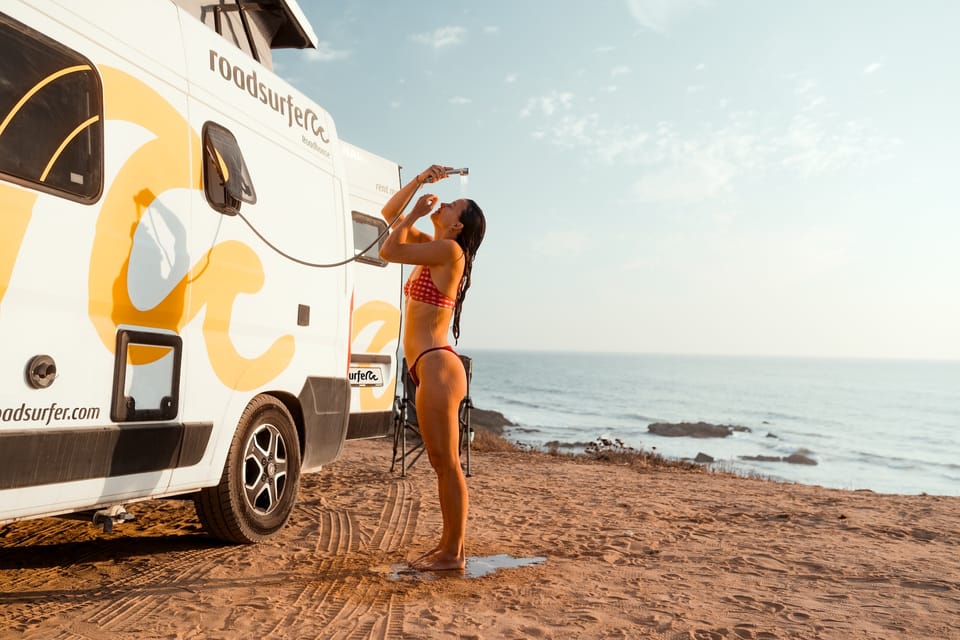
The roadsurfer VanLife Taster Menu
Four campervan surf routes across the US, Portugal, Canada, and Ireland — plus a 17% roadsurfer discount code, FORECAST17 , to get there.
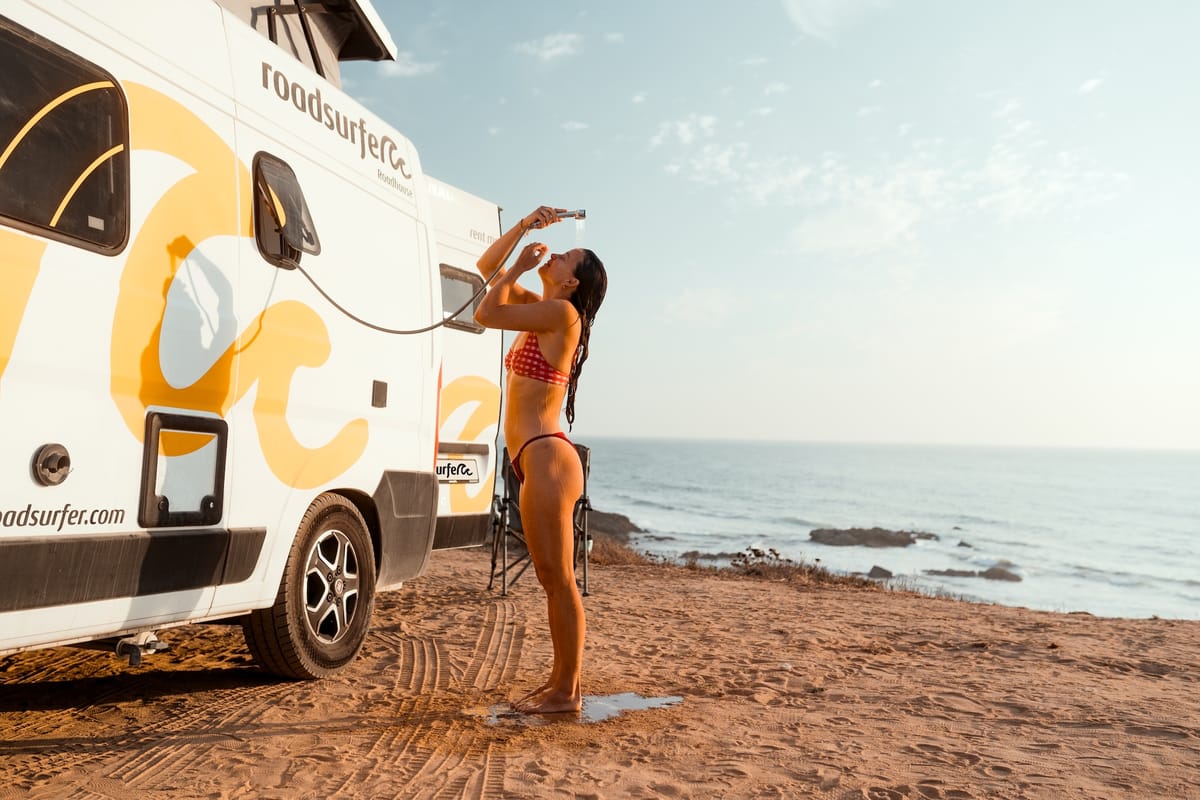
Want to dip your toe in the hashtag vanlife? Or just want a taste of freedom that only a road trip can provide. Or maybe you just want a holiday? Whatever your squad goals, roadsurfer has a solution.
There's a particular kind of trip that only works from behind the wheel of a campervan — waking up within walking distance of a break, chasing a swell instead of a schedule, and letting the drive itself become part of the story. We've mapped out four of the best, each built around a roadsurfer camper and a coastline that rewards patience.
Head down the US Pacific coast from Los Angeles to Seattle for pointbreaks, big-wave spectacle, and everything in between. Loop Portugal's Algarve for warm water and cliffside surf towns. Brave the cold, wild beauty of Vancouver Island, or chase Atlantic power around Ireland's Wild Atlantic Way, pub session included.
Each route comes with real numbers — van costs, ferry fares, wetsuit thickness, and the seasons that actually deliver — so you can plan the trip, not just dream about it. Be it in a nippy camper van, a sprinter-style RV, or a bigger standard RV, these routes guarantee waves, adventure and culture.
And here's the real kicker: with the code FORECAST17, you get a huge 17% off any roadsurfer booking, anywhere in the world.
The Classics Menu
1) American Route 101
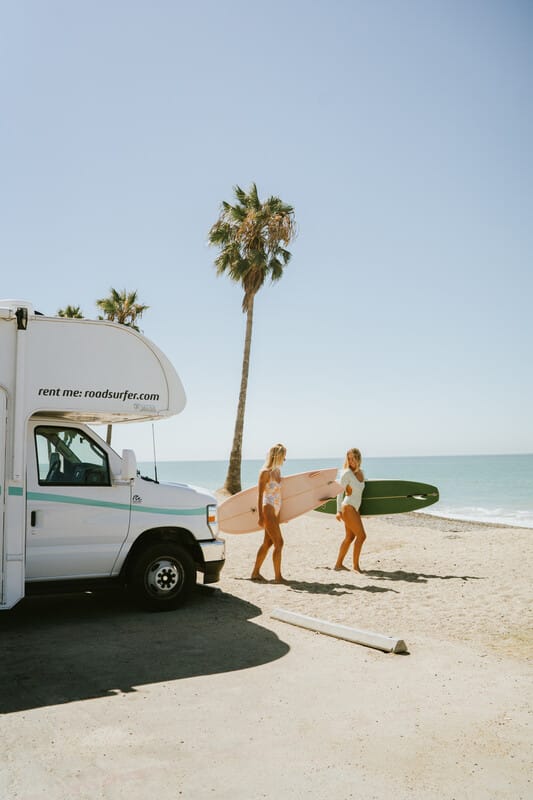
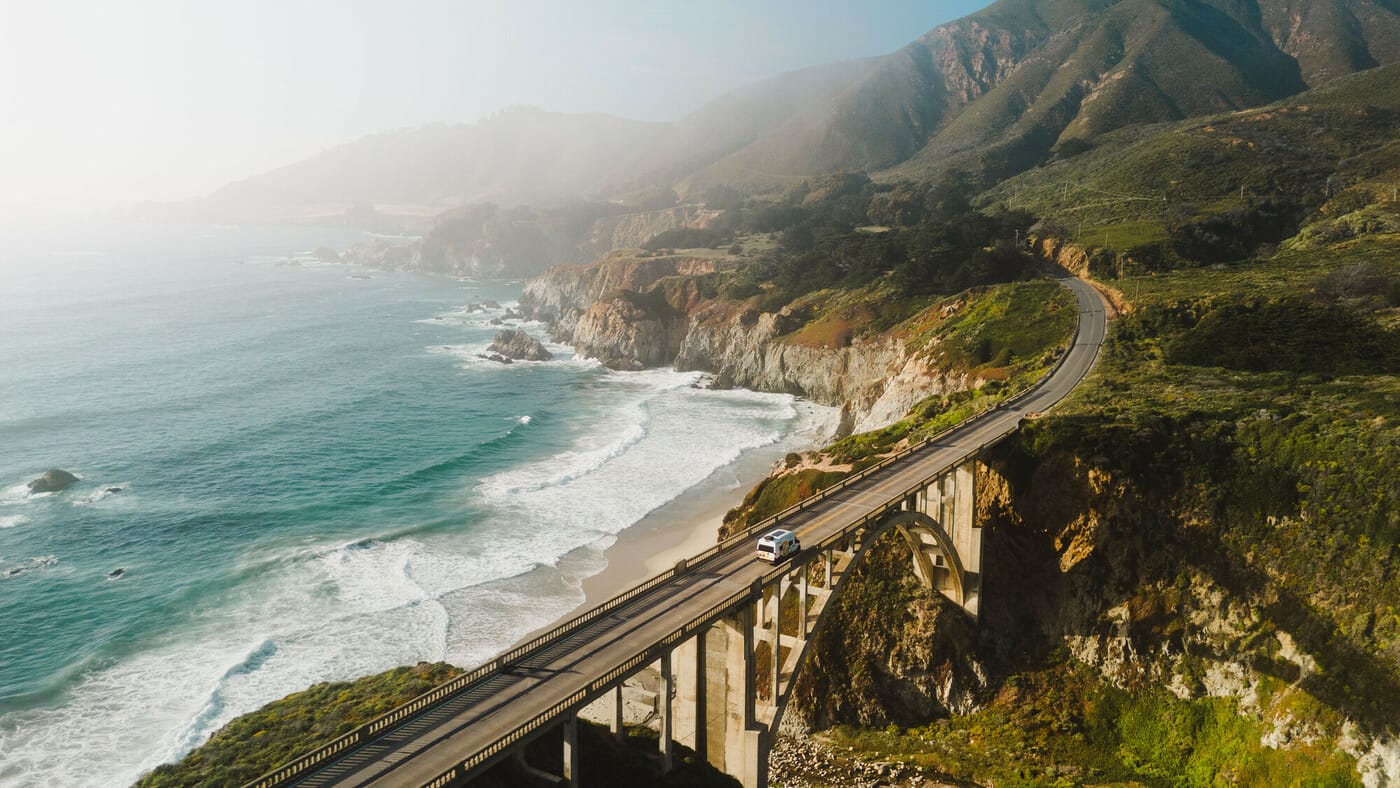
LA to Seattle: The Ultimate Pacific Coast Surf Van Trip
Where: Los Angeles to Seattle
Distance: 800 miles as the crow flies — closer to 1,300–1,400 miles hugging Highway 1 and 101, which is the route that actually matters here.
Waves: Iconic pointbreaks, weird reefbreaks, epic big waves, and miles of mostly uncrowded beachbreaks.
What to Bring: Every wetsuit you have, three boards, hiking boots, a bike, and a sense of adventure.
The Van
This is a one-way trip, so rental terms matter. Roadsurfer's US campervans include unlimited mileage and a free second driver — both useful over 1,300+ miles. Expect $90–$350+ per day depending on van and season (national average around $198/night), so a 16-day trip typically runs $1,600–$3,500 before extras. Add 20–40% for insurance and fees, roughly $55–$95/night for private RV parks if you're not always camping free, and $400–$600 in fuel for the full run. One-way drop-off fees vary by route, so confirm at booking. Our surf forecast discount code, which applies 17% off at checkout, will save a huge chunk of cash on the overall trip.
The Itinerary
Days 1–2: LA: Start at Malibu First Point, the birthplace of California longboarding.
Days 3–4: Santa Barbara/Ventura: Rincon Point, the "Queen of the Coast," a long right point best on W/NW swell.
Days 5–6: Big Sur/Monterey: Slow driving through Big Sur — check Caltrans first, as landslides periodically close sections.
Days 7–8: Santa Cruz/Half Moon Bay: Steamer Lane, then Mavericks, one of the world's most famous big-wave breaks (faces up to 60 feet, peak season November–March).
Days 9–11: Oregon: 362 miles of coast on Highway 101. Stop at Lincoln City and big-wave spot Nelscott Reef, then Short Sands Beach in Oswald West State Park — sheltered, punchy, and uncrowded.
Days 12–14:Washington: Westport, the state's surf capital, picking up solid NW swell with real frontier vibes.
Days 15–16: Finish in Seattle.
Seasonal Advice
Water temperature matters more than air temperature here. San Francisco runs 50–58°F year-round; Oregon and Washington sit in the high-40s to low-50s°F even in summer. A 3/2 or 4/3 covers SoCal and Central California; north of there, plan on a 5/4mm hooded suit with boots and gloves. Winter (Nov–March) brings the biggest swells, including peak Mavericks and Nelscott season, but also the worst driving conditions on Highway 1. Late spring through fall, trades wave size for easier roads and milder weather.
The Bottom Line
Around 1,300 coastal miles, sixteen days, and a wetsuit quiver built for everything from Malibu mornings to Washington winters. Budget $2,000–$4,000 all-in for van, fuel, and camping — and leave slack in the schedule, since the best sessions here are rarely the ones you planned for.
2) The Continental Classic:
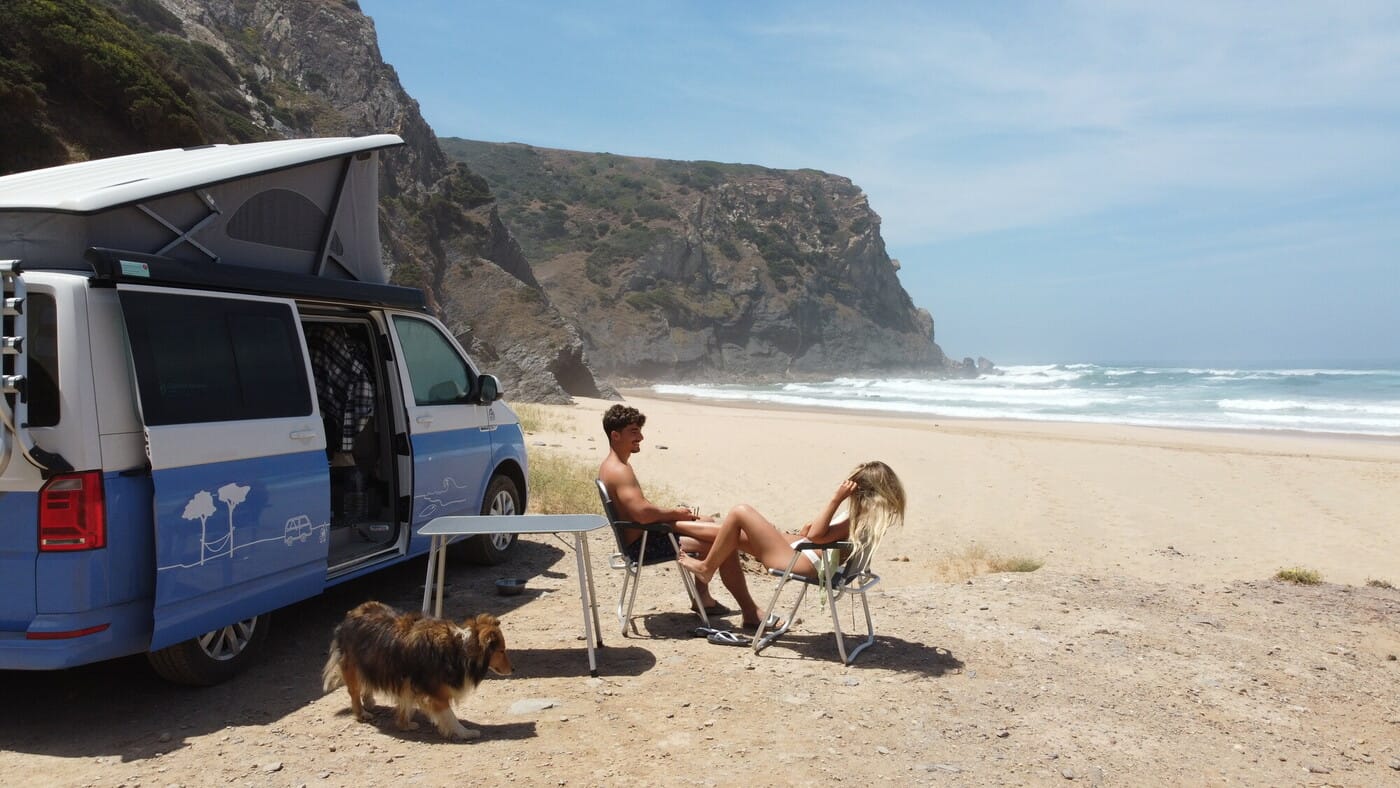
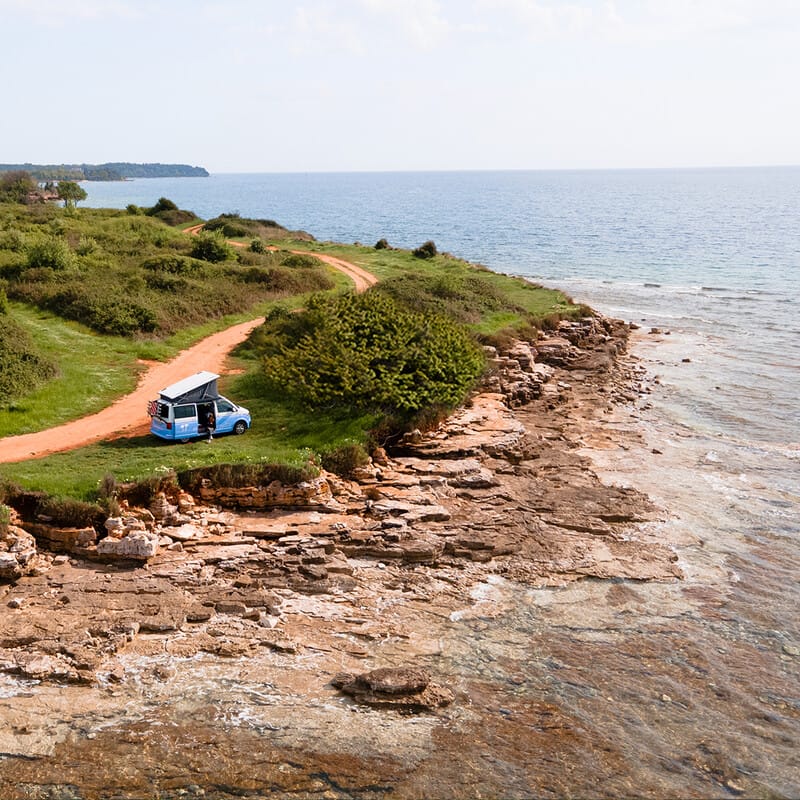
Where: Portugal, Algarve — Faro loop
Distance: 500 miles round trip via Lagos, Monchique, Arrifana, Sagres, and Portimão.
Waves: World-class surf year-round, predominantly beachbreaks, with the odd sneaky pointbreak and reef.
What to Bring: A 3/2 wetsuit, two boards, sunscreen, hiking boots, and golf gear.
The Van
roadsurfer's Portugal fleet runs from its Faro, Lisbon, and Porto stations, with unlimited mileage and a free second driver included — handy on a week-long loop with plenty of small mountain and coastal roads. Portugal's motorways are tolled (Via Verde transponder or pay stations), though several former SCUT routes, including the A22 that runs the length of the Algarve, became toll-free in 2025 — a real saving on this route. Budget roughly €150–€250 for fuel over the week, and check whether your campsite offers water/waste hookups, since Algarve sites are generally cheaper and more plentiful than further north.
The Itinerary
Starting in Faro, head to Lagos — golden beaches and dramatic cliffs, with Meia Praia a highlight, Salema ideal for learners, and Zavial for the experienced. Detour inland to Monchique, in the hills, for pine forests, mountain views, and mineral springs. Next, Arrifana — a cliffside surf town with the region's most consistent waves, exposed enough to work most of the year. Push on to Sagres, "the edge of the world," where the calmer Algarve coast meets the open North Atlantic: beginners head to Martinhal and Mareta, while the more exposed Tonel suits intermediates and experts. Loop back through Portimão for a relaxed beach day on its wide sandy stretches.
Seasonal Advice
The Algarve has one of the longest swell windows in Portugal, largely because it faces both west and south. Water temperature ranges roughly 14–15°C (57–59°F) in winter to 20–23°C (68–73°F) in late summer. A 2mm shorty or 3/2 covers summer; step up to a 4/3 (with boots) for winter, when west-facing spots like Arrifana and Sagres pick up the biggest, most powerful North Atlantic swells (December–February). Summer is smaller and more crowded, especially around Sagres and Lagos — dawn patrol is the move. Autumn (September–November) is arguably the sweet spot: consistent groundswell, thinning crowds, and water still warm enough for a 3/2.
The Bottom Line
Five hundred miles, a week on the road, and a coastline that rewards curiosity — the famous breaks are famous for a reason, but the smaller unnamed coves often light up when conditions align. Budget €800–€1,200 all-in for van, fuel, and camping, and keep the itinerary loose enough to chase whichever coast is firing.
Off Menu Tasters
3) Northern Exposure
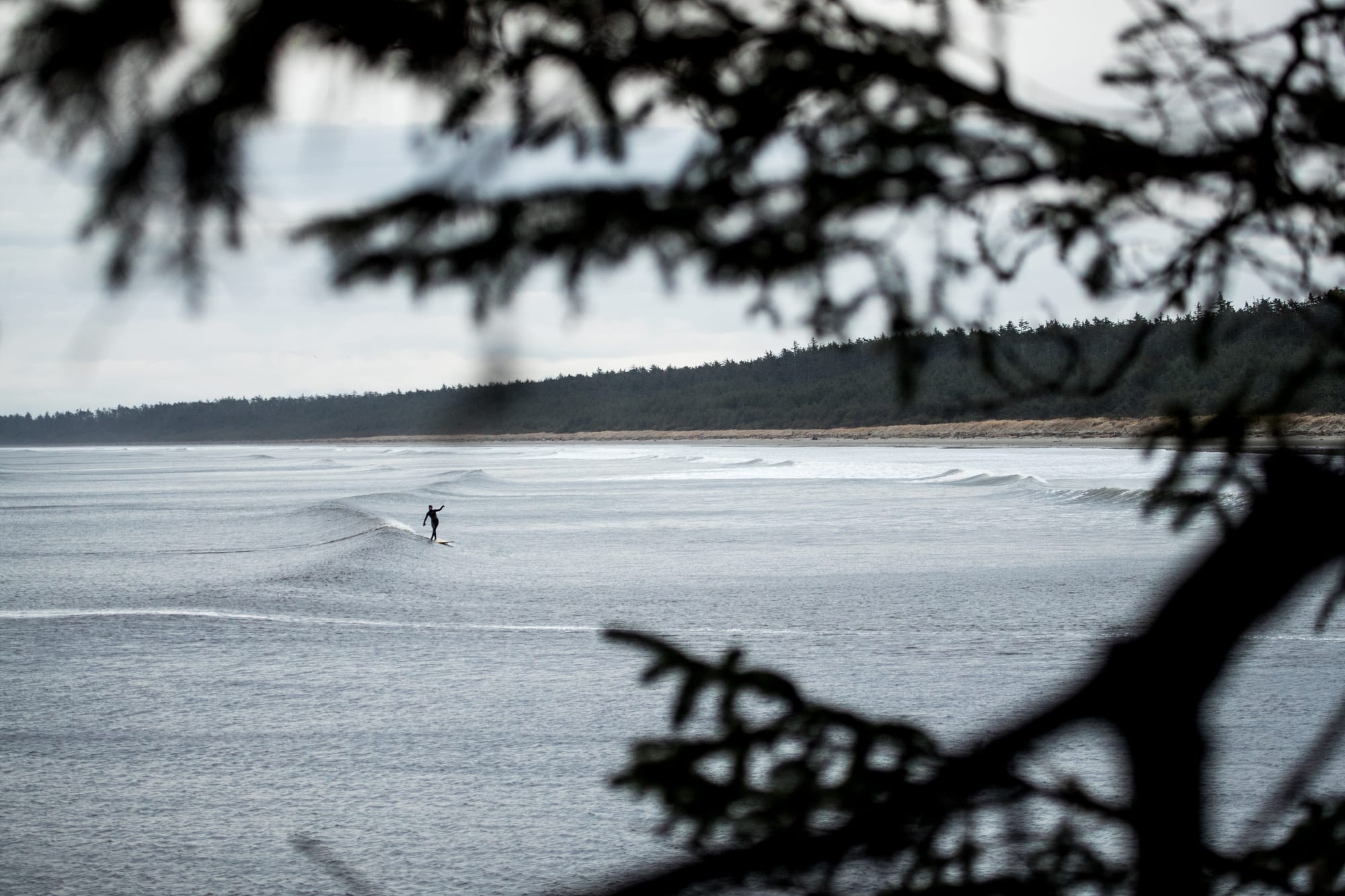
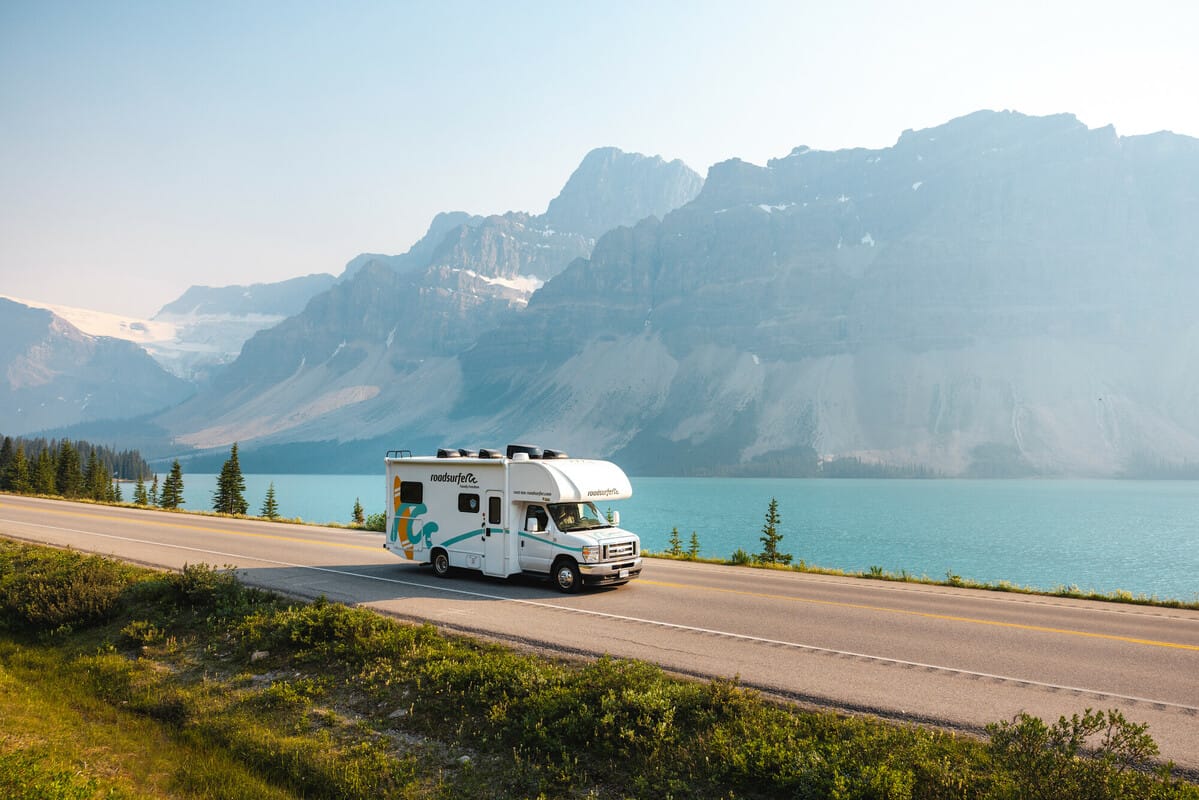
Where: Vancouver Island, Canada
What You Need: A 5/4mm wetsuit, boots, gloves, and a hood. A mid-length board to handle all waves. Extra winter coats, a sense of adventure, patience, and humour.
The Waves: A mix of reefs and beachbreaks, cold, fickle, and variable in quality, but the wilderness scenery makes every session special.
The Van
roadsurfer runs a Vancouver station with unlimited mileage and a free second driver as standard — useful given how much of this trip is spent on winding coastal and forest roads. roadsurfer winterizes its Canadian fleet from November through March, as the water tanks, showers, and toilets are drained and unusable — which matters here, since winter is also when Vancouver Island's biggest swells arrive. Budget accordingly if you're chasing size over comfort.
BC Ferries is the other major cost. A standard vehicle plus driver from Tsawwassen to Swartz Bay runs roughly $70–$90 depending on season, plus around $21 per additional passenger. The crossing takes about 1 hour 35 minutes and is genuinely one of the best parts of the drive — book ahead in peak season, as popular sailings fill fast.
The Itinerary
Pick up the van in Vancouver and take BC Ferries across to Vancouver Island. Sailing through the Gulf Islands, with mountains rising straight from the water, is a highlight before you've even surfed. First stop: Jordan River Regional Park on the West Coast Road, a mix of quality but fickle reef and pointbreak. Next, Sombrio Beach in Juan de Fuca Provincial Park — a 10-minute rainforest trail leads to the sand. Heading toward Tofino, overnight in Ucluelet, the island's grittier, more "core" surf town. Then hit Tofino itself: try Cox Bay, a consistent beachbreak on a mile of crescent sand framed by old-growth rainforest, or Chesterman Beach on a northwest wind. Finish at Long Beach, Pacific Rim National Park — fun waves and some of the wildest scenery anywhere.
Seasonal Advice
Tofino's water stays cold and remarkably consistent year-round — roughly 7–9°C (45–48°F) in winter, rising only to 13–17°C (55–63°F) at its August peak. What changes isn't temperature but swell size. Summer (June–August) is smallest and most beginner-friendly. Fall (September–November) is widely considered the best window — bigger swells, offshore winds, and thinning crowds. Winter (December–March) brings the real power, with storm swells reaching 20–30 feet, though conditions are wild and this is expert-only territory. A 4/3mm suit works for summer; step up to the full 5/4mm hooded setup with gloves and boots for anything from fall onward.
The Bottom Line
A short 500-mile loop, but a demanding one — cold water, moody weather, and waves that reward patience over guarantees. Budget for the van, the ferry, and a proper wetsuit, and treat every clean session here as a genuine prize.
4) The Dublin Loop aka The Craic
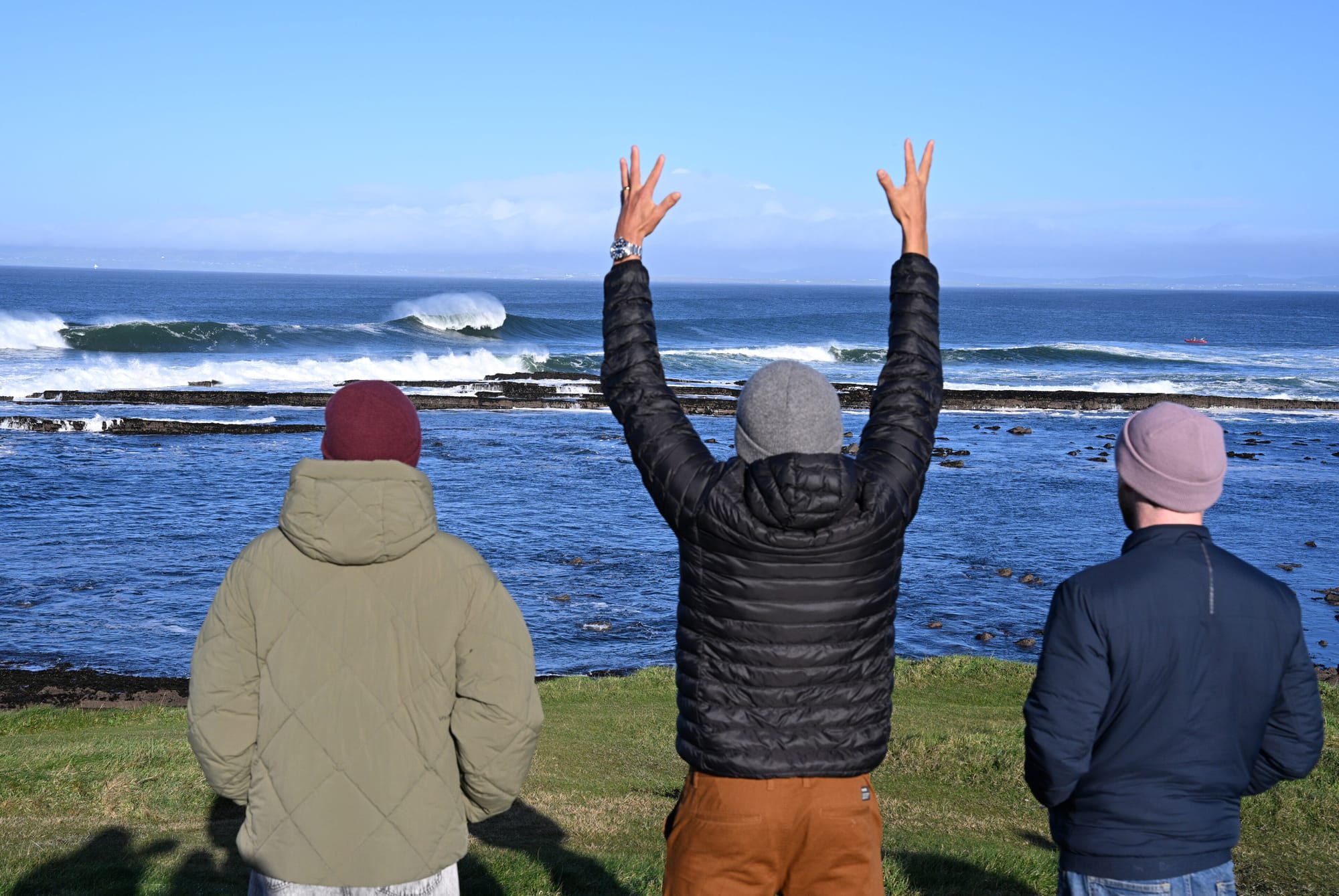
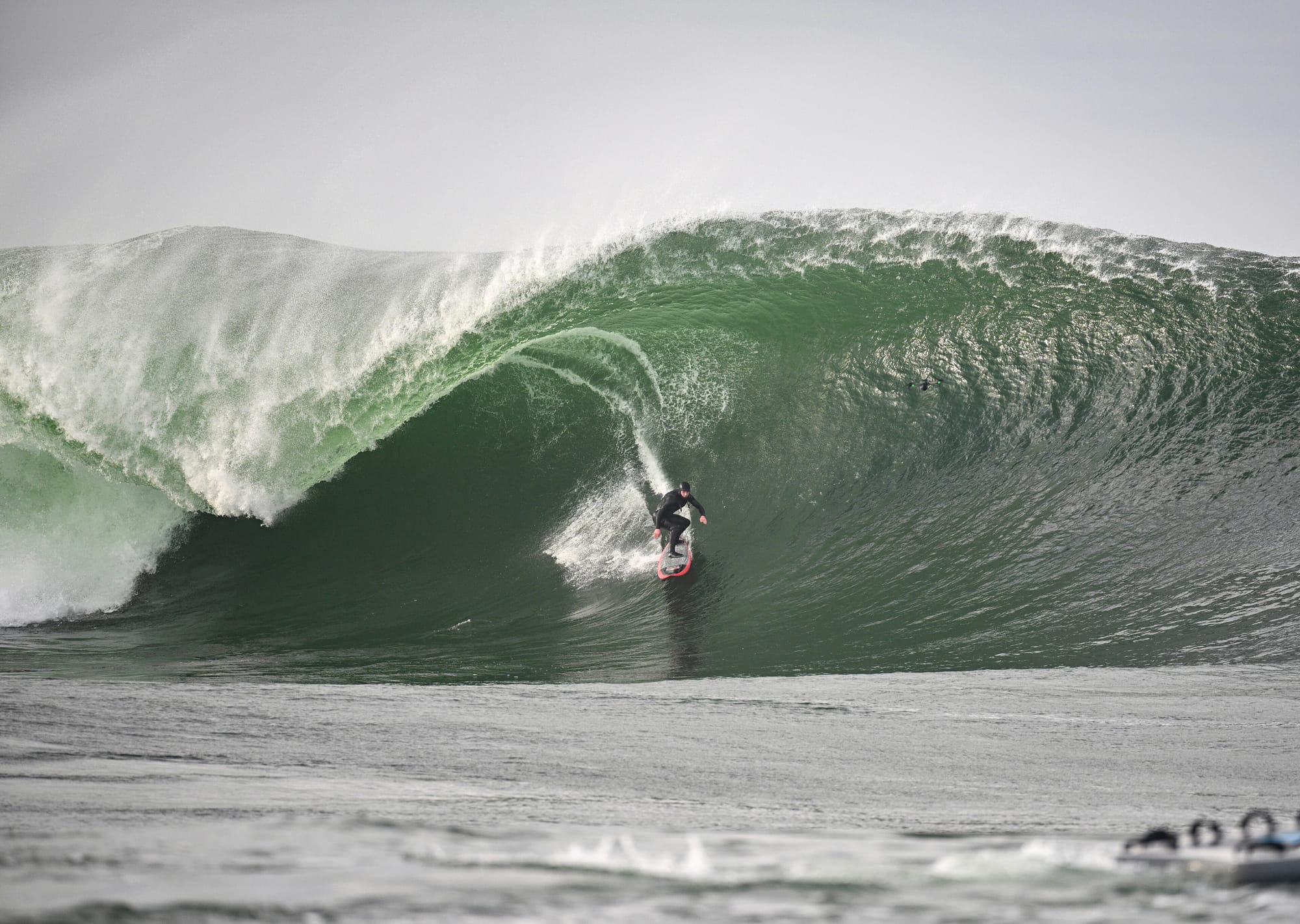
Local Conor Maguire loving his local waves around Bundoran. Photo Red Bull Media
Where: Return Dublin trip via Bundoran, Lahinch and Dingle
Distance: 650 miles round trip.
What You Need: A 4/3 and 5/4mm wetsuit, booties and hood, extra fibreglass, a thirst, and a love of the craic.
The Waves: Cold and often wet, but Ireland's quality reef breaks and general vibes make it a world-class, must-visit destination.
The Van
Roadsurfer runs its main Irish station out of Dublin with unlimited mileage and a free second driver included — genuinely useful on this loop's narrow rural roads. Most operators require drivers to be 21+, though many prefer 25+ and add a young-driver surcharge below that. Fuel, diesel especially, is pricier than in the US, so budget generously; note also that Dublin city-centre parking is tricky for campervans due to height restrictions — plan on a campsite just outside town for the first and last nights.
The Intinerary
Head due west from Dublin for Bundoran, considered the birthplace of Irish surfing. Its main break, The Peak, is a world-class reef wave, with soft beachbreaks and heavy slabs within a 10-mile radius, plus the big-wave spot of Mullaghmore Head nearby — home to some of Ireland's biggest recorded waves, reportedly up to 60 feet on the right winter swell. Along the coast is Easkey, one of Ireland's oldest and most revered breaks, its right and left sitting beside a ruined castle for one of Europe's most cinematic lineups. A green inland run gets you to Galway — not a surf hotspot, but one of Ireland's best music towns. After a night on the tiles, Lahinch is the obvious next stop: a beginner-friendly main beach, with the Cliffs of Moher just north hosting Aileens, one of Ireland's most famous big-wave breaks. Cut through Limerick to the Dingle Peninsula for the last surf stop — Inch Beach and Brandon Bay offer consistent beachbreaks and reefs. Then it's the four-hour drive back to Dublin for a final night out.
Seasonal Advice
Ireland's Atlantic water stays cold year-round: roughly 8–11°C (46–52°F) in winter, rising to 14–17°C (57–63°F) at its August peak. A 4/3mm suit covers summer sessions; step up to the full 5/4mm with boots, gloves and hood for anything from autumn through spring. September–October is widely rated the sweet spot — solid, organised swells, water still holding summer warmth, and thinning crowds. Winter (November–February) brings the biggest, heaviest swells and lights up Mullaghmore and Aileens, but conditions are genuinely harsh and this is experienced-surfers-only territory. Summer is the smallest and calmest. Better for Lahinch and Inch, less so for the reef breaks.
The Bottom Line
Six hundred and fifty miles, thick rubber, and a coastline that rewards patience with genuinely world-class waves. Budget for the van, decent fuel money, and a night out in every town — this is a trip built as much around the craic as the surf.
Why book with a camper van discount code?
Using a camper van discount code or RV rental discount is one of the smartest ways to make vanlife more affordable. With roadsurfer, you get fully equipped vans, flexible pickup locations, and transparent pricing—making it ideal for anyone searching for camper van and RV rentals with discounts. Combine that with a roadsurfer discount code, and you significantly reduce your travel costs without compromising on experience.
Final tip: Don’t forget your roadsurfer discount code
Before booking your next trip, make sure to use a roadsurfer discount code to unlock savings on your rental. Whether you're comparing camper van and RV rental discounts or just looking for a simple camper van discount code, deals like <<FORECAST17>> help you travel longer and explore more and get 17% off. Vanlife doesn’t have to be expensive—especially when you book smart.
FAQ: Camper Van, RV Rentals & Vanlife
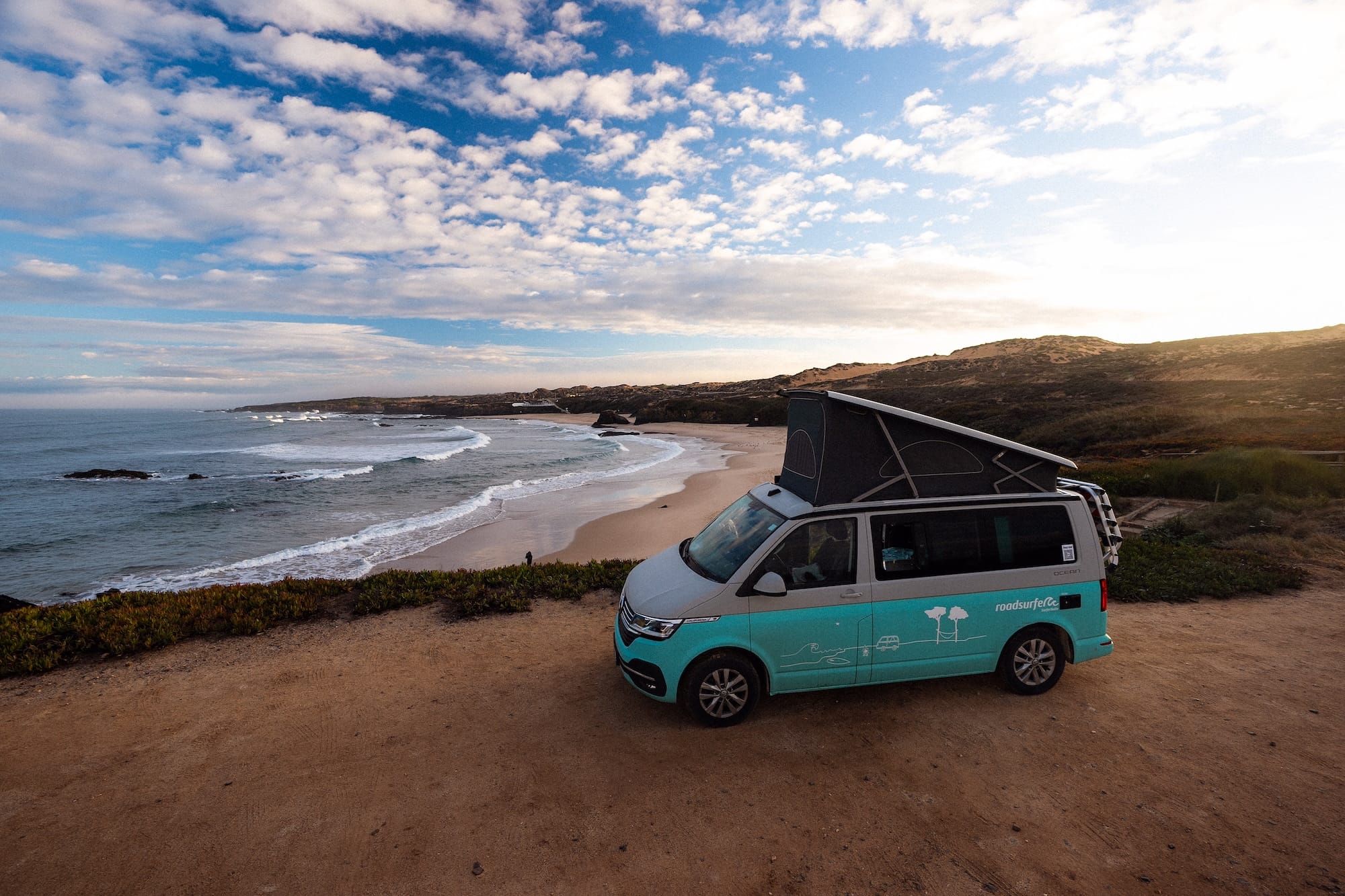
What's included in a rental?
Kitchen, sleeping area, table and chairs, cooking equipment, insurance, and a free second driver — though it can vary by vehicle.
Can I sleep anywhere in a camper van?
Depends on the country — some allow overnight parking, others require official campsites. Check local rules first.
Do I need a special licence?
A standard Category B licence covers vans up to 3.5 tonnes in most of Europe and North America; larger RVs may need more.
Best camper van for a surf trip?
Compact vans balance comfort, fuel efficiency, and easy beach parking. Groups may prefer something larger.
How much does it cost?
Varies by season, destination, and vehicle. Book early, travel during shoulder season, and use discount codes to save.
When's the best time to book?
Several months ahead for summer — popular spots sell out early, and early booking means better pricing.
Suitable for beginners?
Yes — modern vans are easy to drive, similar to large passenger vans, often with cameras and parking sensors.
Can I cross borders with a rental?
Usually yes within approved countries — check conditions first.
Cheaper than hotels?
Often, especially for couples or groups — plus more flexibility and easier access to nature and surf.
Can I bring surfboards?
Yes — most vans have storage for boards and wetsuits, some with roof racks for longer boards.
Available year-round?
Yes, though availability varies — winter trips in Portugal or Spain are popular for consistent waves.
Is unlimited mileage included?
Often, yes — but always confirm the policy for your specific booking.
How can I save money?
Book early, travel off-peak, compare vehicle sizes, and use a verified discount code.